How to Declutter Before a Move and Make Moving Day Easier
Moving has a way of revealing just how much stuff has accumulated around the house. Closets that seemed manageable suddenly contain boxes you have not opened in years, while garages, spare bedrooms, cabinets, and storage areas can add days to the packing process.
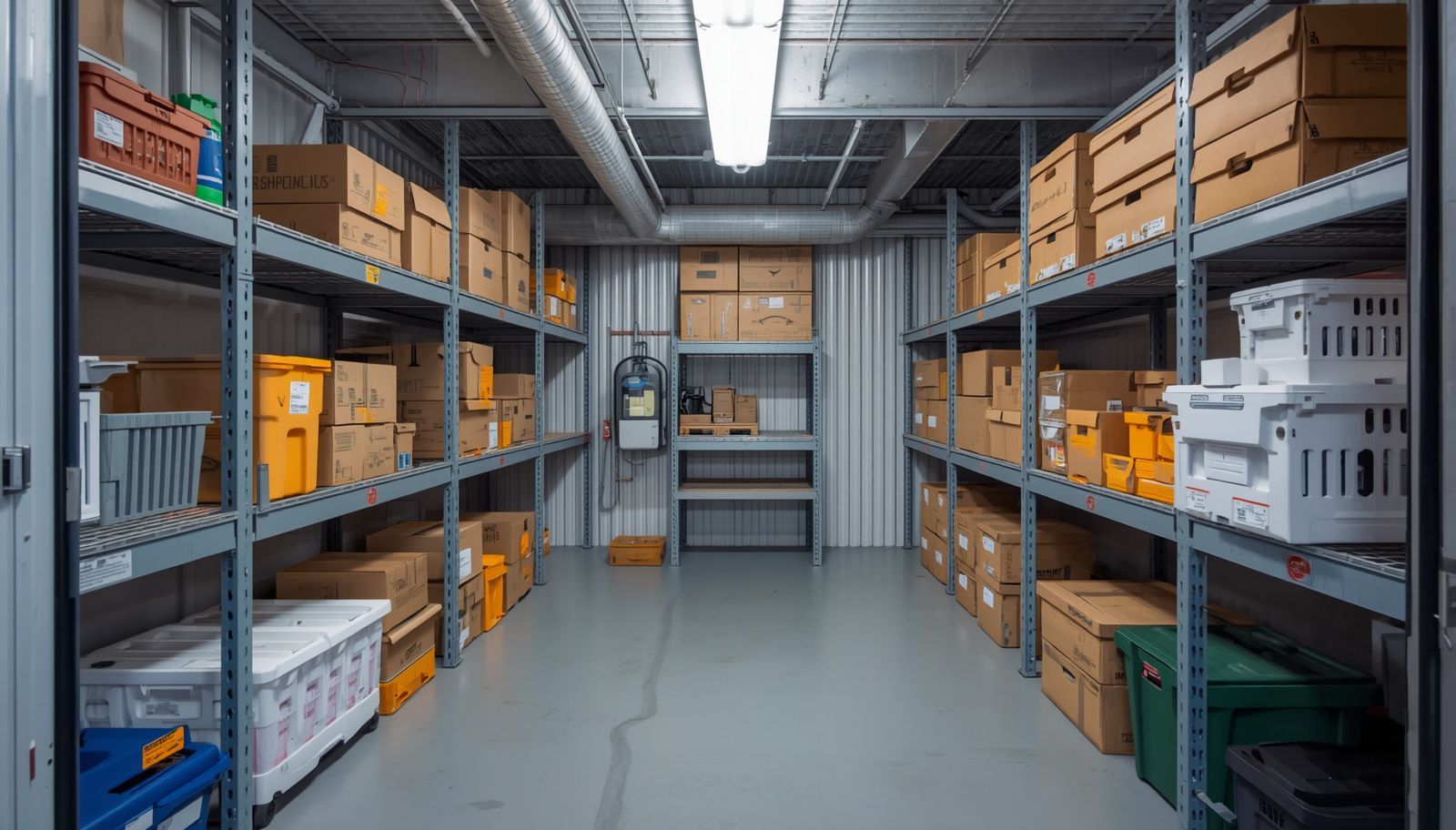
Learning how to declutter before a move can reduce what you have to pack, carry, transport, and unpack at the other end. If you need somewhere to store your belongings during the transition, self-storage in Little Rock, AR can provide additional space while you sort through everything.
The easiest approach is to start early rather than trying to make dozens of decisions during moving week. You do not need to empty the entire house in a weekend. Working through one room or category at a time makes the process more manageable and gives you time to decide what is actually worth bringing to your new home.
Start Decluttering Before You Start Packing
It can be tempting to begin filling boxes as soon as you know you are moving, but packing first often means paying to move things you no longer want. Decluttering before packing reduces the amount of work ahead of you and gives you a clearer picture of what will actually be moving.
Start with areas containing belongings you rarely use. Guest rooms, closets, garages, attics, cabinets, and seasonal storage areas are usually easier than sentimental spaces. Once you build some momentum, move on to everyday rooms such as the kitchen, bedrooms, and living areas.
Use a Simple Sorting System
Complicated organizing systems can slow you down. For most households, four basic categories are enough: keep, donate or sell, recycle or dispose of, and store. Give every item a destination rather than creating a large "decide later" pile that just moves from one side of the room to the other.
The storage category should be used selectively. Seasonal decorations, family keepsakes, furniture you plan to use again, and belongings needed after a temporary move may make sense to store. Things you have not used in years and no longer particularly want deserve a more permanent decision.
Work Through One Room at a Time
Trying to declutter the entire house at once can leave every room half-finished. Pick one manageable area and complete it before moving on. A bathroom cabinet or hall closet can be a good starting point because the decisions are usually easier than sorting photographs, keepsakes, or an entire garage.
Once a room has been sorted, pack the belongings that are definitely moving with you. Clearly label those boxes and keep donations and disposal items separate. Seeing completed rooms also gives you a sense of progress as moving day gets closer.
Be Realistic About Furniture
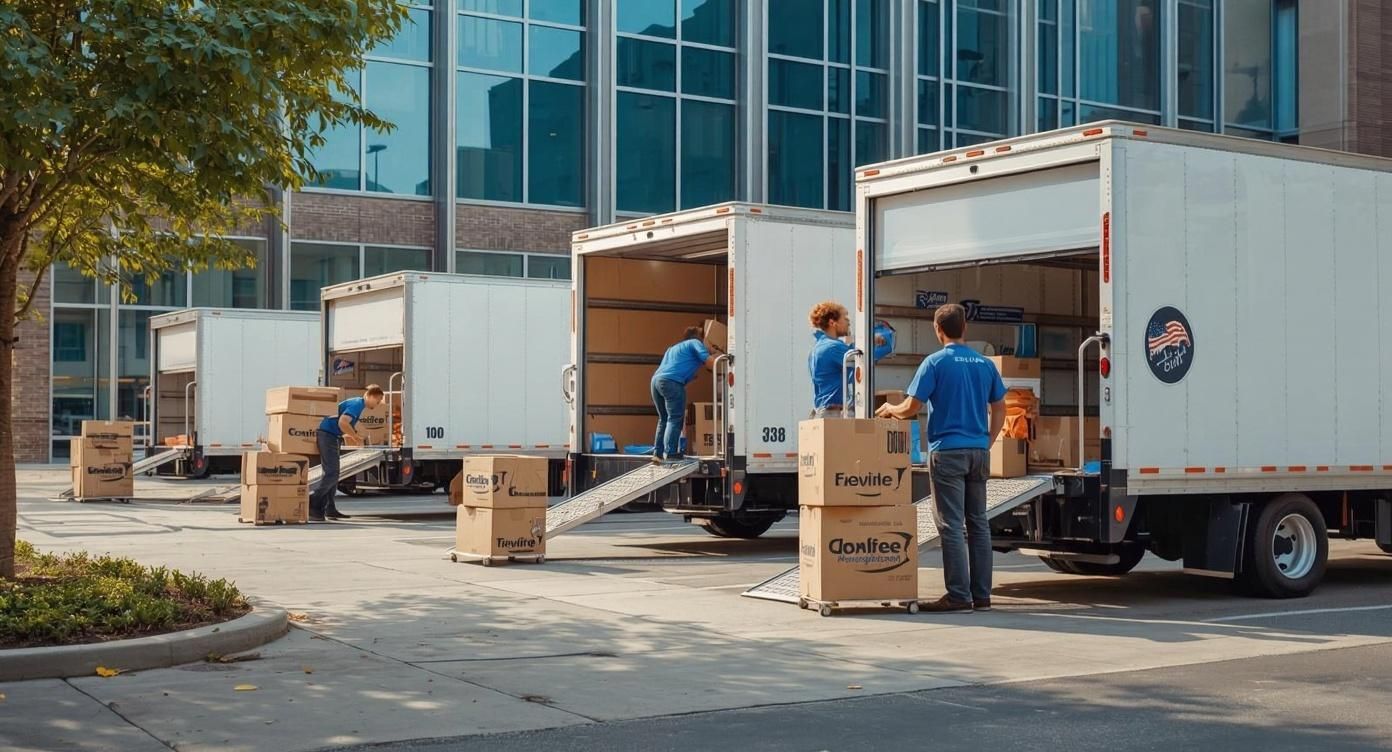
Furniture takes up a large amount of space in a moving truck, so deciding what should come with you deserves some thought. Measure larger pieces and, whenever possible, compare those dimensions with the rooms, doorways, and layout of your next home.
A sofa that worked perfectly in your current living room may overwhelm a smaller space. The same applies to dining tables, spare beds, oversized dressers, shelving, and outdoor furniture. If you already know a piece will not work in the new home, dealing with it before moving day is usually easier than transporting it and making the same decision later.
Declutter the Kitchen Carefully
Kitchens often contain more belongings than expected. Duplicate utensils, small appliances, food containers, cookware, serving dishes, and pantry items can fill a surprising number of moving boxes.
Start with duplicates and things you rarely use. There may be little reason to move several nearly identical pans, mismatched containers without lids, or an appliance that has been sitting untouched for years. As moving day approaches, work through pantry and freezer items as well so you are not transporting food unnecessarily.
Sort Clothes Before Boxing Them Up
Moving is a good opportunity to go through clothing because everything will need to be handled anyway. Work through one category at a time rather than emptying the entire closet onto the bed.
Consider whether each item still fits, gets worn, and makes sense for your current lifestyle. Seasonal clothing you genuinely use should stay, but pieces that have remained untouched through several seasons may be candidates for donation or another destination. Packing fewer clothes also means fewer boxes to carry and unpack.
Decide What to Sell and What to Donate
Selling unwanted belongings can help offset some moving expenses, but it also takes time. Photographing items, creating listings, responding to messages, and arranging pickups can become another job when you are already preparing to move.
Set a deadline for anything you plan to sell. If an item has not sold by that date, decide whether you will donate it instead. Lower-value belongings are often easier to donate immediately, while furniture, electronics, tools, and other higher-value items may be better sold first.
Know How to Handle Items You Can't Donate
Not everything you remove from the house belongs in a regular garbage or recycling cart. Little Rock residents can use the City of Little Rock Recycling resources to check what can be recycled curbside and where to take certain special materials. The city provides information about recycling and disposal options for materials that may require different handling.
This is particularly useful when clearing out garages, utility rooms, and home offices. Old electronics, batteries, paint, and similar materials should not simply be placed in a recycling cart because you are in a hurry to empty the house. Checking the appropriate disposal option as you declutter can prevent a large pile of questionable items from building up during the final week.
Make a Plan for Bulky Items
Large furniture, mattresses, and appliances can be harder to deal with than boxes of smaller belongings. If something cannot be sold, donated, or taken to the new home, find out how to properly dispose of it before moving day.
The City of Little Rock provides information about residential waste services and handling items that do not belong in ordinary household trash. Rules can vary depending on the type of material or item, so check current city guidance before putting bulky belongings out for collection. Planning ahead keeps disposal from becoming another task you have to solve while the moving truck is on its way.
Use Storage for Things You Actually Want to Keep
Decluttering does not mean getting rid of everything that will not immediately fit into your next home. Sometimes the move itself creates a temporary space problem. Closing dates may not line up, renovations may still be underway, or you may be downsizing without knowing exactly which furniture will work in the new space.
In those situations, storage can give you time to make a thoughtful decision instead of forcing one during moving week. Family keepsakes, seasonal belongings, furniture intended for a future room, and other things you genuinely want can remain stored until you are ready for them. Just avoid turning the storage unit into a permanent home for things you already know you no longer need.
Pack the Keep Pile With Your New Home in Mind
Once you have reduced what you own, packing becomes considerably easier. Label boxes according to the room where they will go in the new home, and add a short description of the contents. "Kitchen: baking supplies" will be far more useful after the move than a box marked simply "Kitchen."
Keep identification, medications, important documents, keys, chargers, valuables, and anything needed during the first few days with you. Pack a separate first-night box with basic toiletries, clothing, towels, bedding, and other essentials. You will appreciate having those things nearby instead of searching through dozens of boxes after a long moving day.
Don't Try to Make Every Decision Perfect
Decluttering before a move involves hundreds of small decisions, and spending too long on each one can bring the process to a halt. If something is inexpensive, easily replaceable, and has not been useful for years, it probably does not deserve twenty minutes of debate.
Sentimental belongings deserve more time, so save them for a point when you are not exhausted or rushing. You may also decide to store a limited number of meaningful items and revisit them after the move. The objective is not to become a minimalist overnight but to avoid spending time and money moving things you no longer want.
Give Yourself Less to Move and More Room to Settle In
The biggest benefit of learning how to declutter before a move often becomes apparent after the moving truck leaves. Instead of opening boxes filled with things you should have dealt with months ago, you can focus on arranging belongings you actually use and making the new house feel like home. Starting early, working room by room, and giving everything a clear destination keeps the process from becoming another last-minute moving task.
If you need extra room between homes or want to keep selected belongings out of the way while you get settled,
storage units in Little Rock, AR can provide temporary space during the transition. Decluttering does not have to mean getting rid of everything. It is simply an opportunity to decide what deserves to come with you, what can serve someone else, and what you are ready to leave behind.