Is North Little Rock, AR a Good Place To Live? Here’s What Locals Love About It
North Little Rock offers a mix of affordability, outdoor recreation, family-friendly neighborhoods, and convenient access to downtown Little Rock. Located along the Arkansas River, the city continues to attract families, retirees, young professionals, and remote workers seeking lower living costs and a slower pace without giving up city amenities.
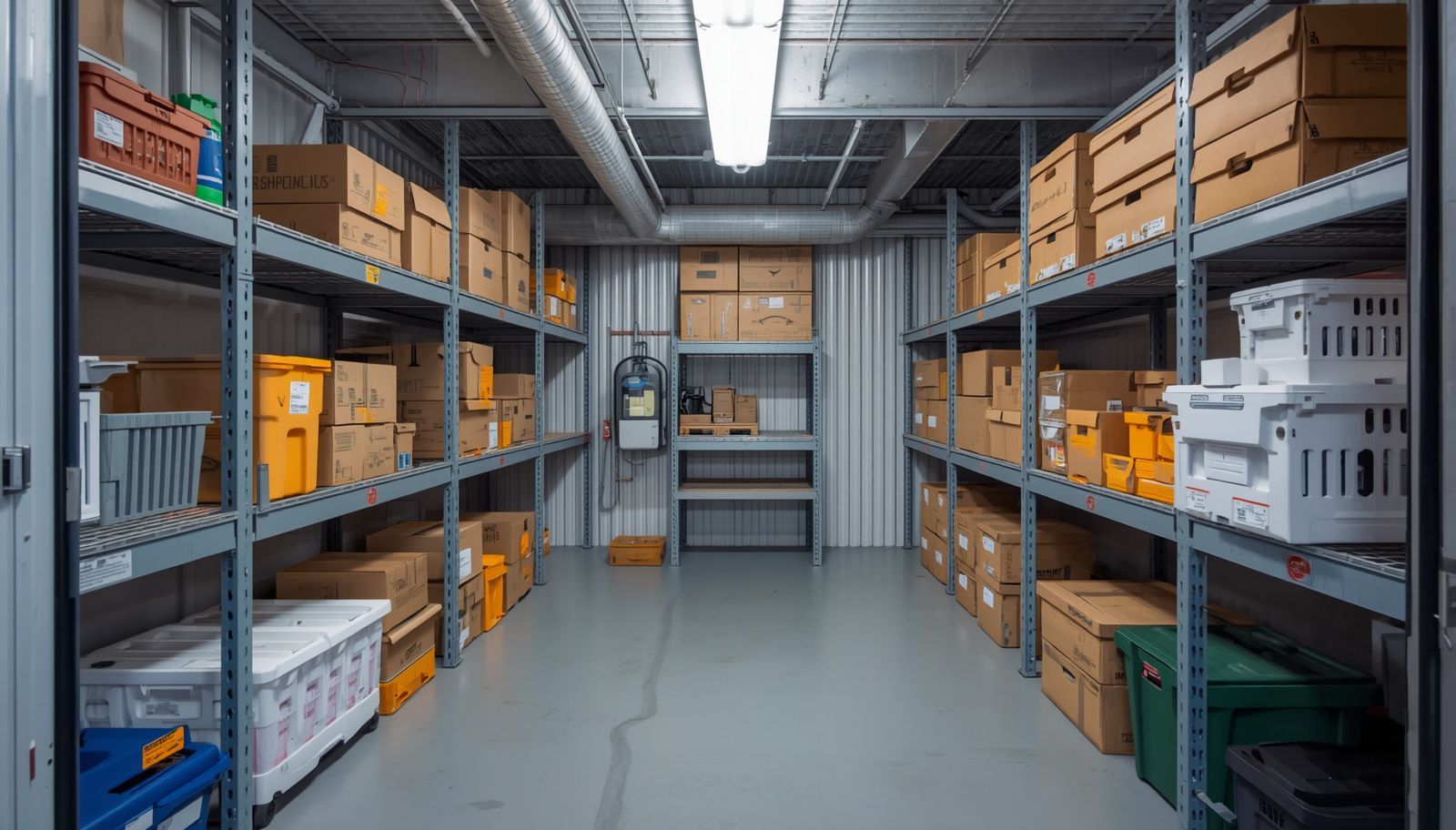
Whether you are relocating across Arkansas or moving from another state, many new residents use storage units in North Little Rock, AR to simplify the moving process and create extra space during the transition.
Where Is North Little Rock Located?
North Little Rock sits directly across the Arkansas River from downtown Little Rock in Pulaski County. The city is part of the larger Little Rock metropolitan area and offers quick access to major highways, including Interstate 40 and Interstate 30. Because of its central location, residents can easily commute throughout Central Arkansas while still enjoying quieter residential neighborhoods outside downtown traffic areas.
Popular nearby communities include Sherwood, Maumelle, Jacksonville, and Conway. Downtown Little Rock is just minutes away, making North Little Rock attractive to commuters who work in the capital city but prefer more affordable housing.
What It’s Like Living in North Little Rock
North Little Rock has a more relaxed, residential feel compared to larger cities, yet it still offers plenty of entertainment, shopping, restaurants, and outdoor recreation. The city combines established neighborhoods with newer suburban developments, offering residents a wide range of housing options suited to their lifestyles and budgets.
Areas like Argenta have become increasingly popular because of local restaurants, breweries, entertainment venues, and walkable streets near the riverfront. Many residents appreciate the balance between affordability and convenience. Daily commutes tend to be manageable, and most shopping, schools, and services are easily accessible within a short drive.
The city also has a strong local identity separate from Little Rock, even though the two cities are closely connected geographically.
Cost of Living in North Little Rock
One of the biggest reasons people move to North Little Rock is affordability. Housing costs remain significantly lower than the national average, while utilities, transportation, and groceries are generally more manageable than in larger metro areas. Recent cost-of-living data shows North Little Rock remains less expensive than many cities throughout the South and Midwest.
Homebuyers can often find more square footage for their money compared to many fast-growing Southern cities. Rent prices also remain relatively affordable for apartments and single-family homes.
Many people researching how much is a storage unit in North Little Rock are also comparing overall living expenses as they plan a move to the area.
Neighborhoods and Housing Options
North Little Rock offers several distinct neighborhoods, each with a different feel and price range. Argenta remains one of the most popular areas for younger professionals because of its historic buildings, restaurants, entertainment, and proximity to downtown Little Rock.
Lakewood is known for established homes, mature trees, parks, and family-friendly neighborhoods. Maumelle, located on the western side of North Little Rock, attracts residents looking for newer homes, golf courses, and quieter suburban living. The city also includes affordable starter homes, waterfront areas near the Arkansas River, and newer residential developments throughout Pulaski County.
Many residents use storage units near Maumelle Boulevard while moving between neighborhoods or downsizing within the metro area.
Jobs and Economy
North Little Rock benefits from being part of the larger Little Rock metro economy. Major industries throughout the area include healthcare, transportation, logistics, manufacturing, education, government, and retail. The nearby Port of Little Rock and several distribution centers also contribute to local employment opportunities.
Many residents commute to Little Rock for work while enjoying more affordable housing and quieter neighborhoods in North Little Rock.
Healthcare systems such as Baptist Health, UAMS, and CHI St. Vincent provide major employment opportunities throughout Central Arkansas. Remote work has also become increasingly common, helping more people relocate to affordable cities like North Little Rock while maintaining careers based elsewhere.
Schools and Education
North Little Rock includes both public and private school options.
The North Little Rock School District serves much of the city and has continued investing in facility upgrades and academic programs in recent years. Several charter and magnet school opportunities are also available throughout the metro area. Nearby colleges and universities include the University of Arkansas at Little Rock, Pulaski Technical College, and several other higher education institutions within commuting distance.
Families moving into the area often research schools carefully, depending on neighborhood and district boundaries.
Outdoor Recreation and Parks
Outdoor recreation is a major part of life in North Little Rock. Burns Park is one of the largest municipal parks in the country and includes golf courses, hiking trails, playgrounds, sports complexes, camping areas, and river access.
The Arkansas River Trail system connects North Little Rock and Little Rock with miles of walking and biking trails along the riverfront.
Residents also enjoy nearby parks, lakes, fishing areas, and outdoor recreation opportunities throughout Central Arkansas.
The North Little Rock Parks and Recreation Department maintains numerous parks, sports facilities, walking trails, and community programs throughout the city.
Entertainment and Things To Do
North Little Rock offers more entertainment options than many people initially expect.
Simmons Bank Arena hosts concerts, sporting events, and major touring acts throughout the year. Dickey-Stephens Park brings minor league baseball directly to the riverfront district. The Argenta Arts District continues to grow with local restaurants, breweries, coffee shops, theaters, and nightlife options.
Residents also have easy access to downtown Little Rock's museums, shopping districts, and cultural attractions, all within minutes.
For families, there are numerous parks, youth sports programs, movie theaters, and seasonal festivals throughout the year.
Weather and Climate
North Little Rock has a humid subtropical climate with hot summers and mild winters. Summer temperatures regularly reach the 90s, while winters are generally short and milder than those in northern states. Snowfall is possible during winter months, but it is usually less than in colder regions.
Spring and fall are especially popular because of the comfortable temperatures and outdoor activities. Like much of Arkansas, the area can experience severe thunderstorms and occasional tornado risks during storm season.
The National Weather Service Little Rock provides weather alerts and seasonal climate information for Central Arkansas residents.
Traffic and Transportation
Traffic in North Little Rock is generally manageable compared to larger metropolitan areas.
Rush hour traffic does exist around interstate corridors and downtown bridges, but commute times remain shorter than in many major Southern cities. The city’s location near several major interstates makes regional travel relatively easy. Bill and Hillary Clinton National Airport, located nearby in Little Rock, provides convenient domestic travel access throughout the region.
Pros of Living in North Little Rock
Many residents enjoy the affordable housing, access to parks and outdoor recreation, short commutes, family-friendly neighborhoods, and proximity to downtown Little Rock. The city’s central location and growing entertainment districts continue to attract new residents seeking affordability without sacrificing urban conveniences.
Cons of Living in North Little Rock
Like any city, North Little Rock also has challenges. Some areas experience higher crime rates than others, making neighborhood research especially important before moving. Summers can also feel extremely hot and humid for people unfamiliar with Southern climates.
Public transportation remains limited compared to larger cities, so most residents rely heavily on personal vehicles.
Economic growth and redevelopment continue to improve many areas, but neighborhood conditions can vary significantly throughout the city.
Moving to North Little Rock
Relocating to North Little Rock is often more affordable and manageable than moving into many larger Southern metro areas.
The city attracts families, retirees, remote workers, military households, and people looking for lower living costs near urban amenities.
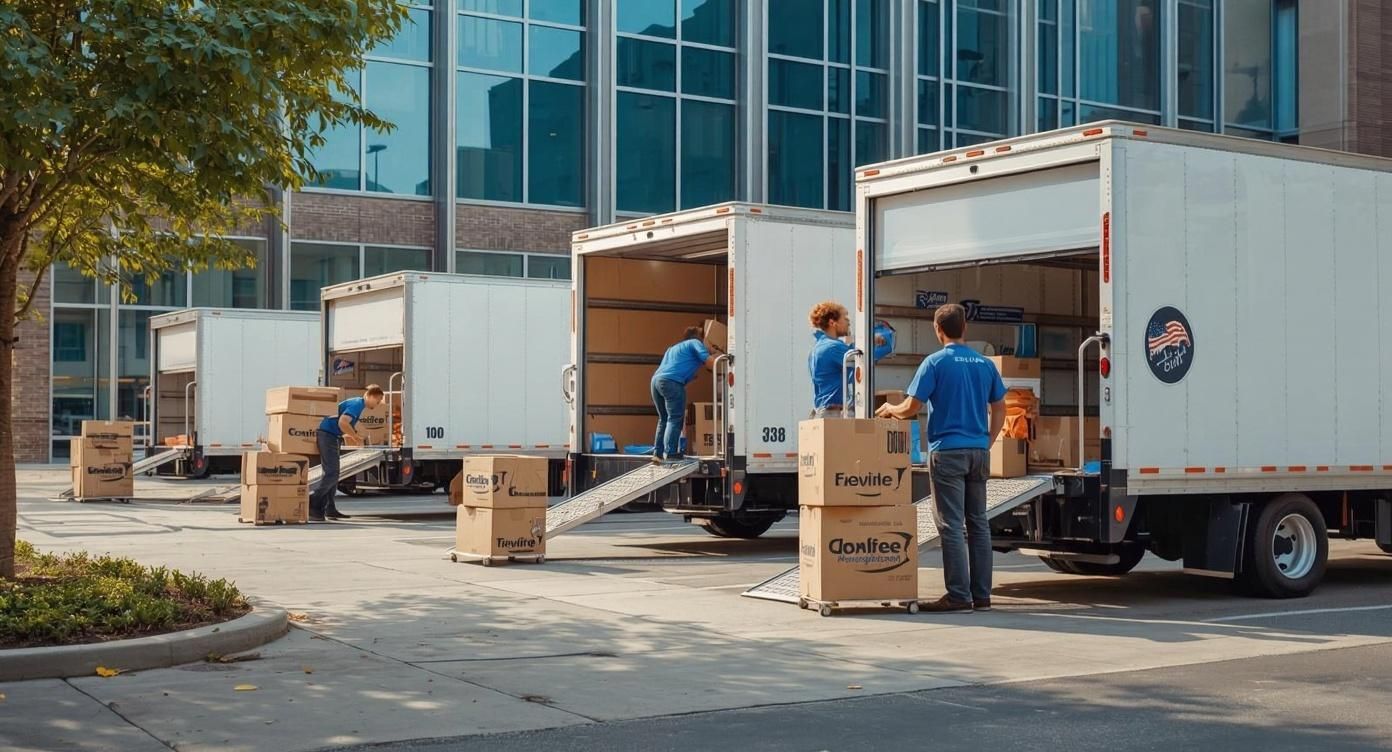
Many newcomers researching moving companies in Little Rock, AR also use storage during their move to help manage temporary housing, downsizing, or delayed closings.
Flexible storage can make moving significantly less stressful, especially during large household transitions.
Final Thoughts on Living in North Little Rock, AR
North Little Rock continues attracting residents because of its affordability, convenient location, outdoor recreation, and growing entertainment options. While it may not offer the size or pace of larger metro areas, many people appreciate the balance between cost of living and quality of life.
Whether you are relocating for work, family, retirement, or a lifestyle change, North Little Rock offers a wide variety of neighborhoods and housing options that appeal to different types of residents.
For people preparing for a move or simply needing extra space during life transitions, many local residents rely on
storage units in North Little Rock, AR to help simplify the process year-round.