Cost of Living in Little Rock, AR: A Complete Guide to Housing and Everyday Expenses
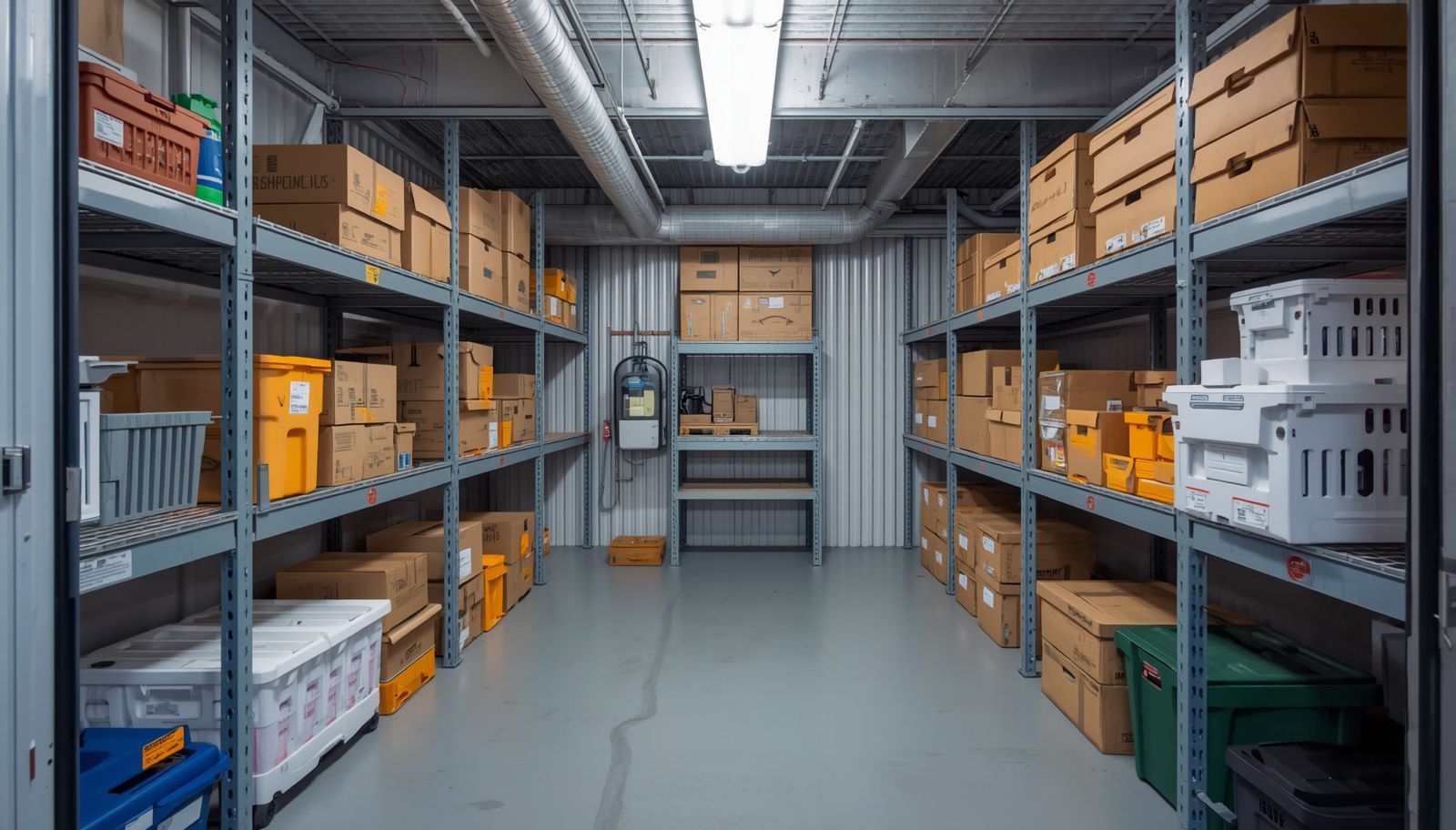
Finding a city that offers affordable housing, employment opportunities, and a comfortable lifestyle is important when planning a move. Little Rock, Arkansas, combines the conveniences of a state capital with relatively affordable living expenses and access to outdoor recreation. From downtown apartments to established residential neighborhoods, the city offers housing options for different lifestyles and budgets. Residents looking to maximize their living space can also explore self-storage in Little Rock, AR, particularly when moving into a smaller apartment or downsizing.
Is Little Rock, AR, Expensive to Live In?
The overall cost of living in Little Rock is approximately 5% to 6% below the national average as of November 2026. Housing is one of the city's most significant areas of affordability, with costs generally around 17% below the national average. Transportation, groceries, and utilities also tend to be less expensive than in many other American cities.
However, affordability depends on your income, household size, and spending habits. Someone renting a downtown apartment may have considerably different monthly expenses than a family purchasing a home in West Little Rock. Understanding individual living costs can help you determine whether the city fits your financial goals.
Housing Costs in Little Rock, AR
Housing typically represents the largest portion of a household's monthly budget. Little Rock offers everything from historic homes and modern apartments to suburban properties with larger yards. Prices vary depending on neighborhood, property condition, square footage, and proximity to employment centers.
Average Rent in Little Rock
As of November 2026, the average monthly apartment rent in Little Rock is approximately $947. Studio apartments average $881 per month, while two-bedroom apartments typically cost $1,113 per month. Three-bedroom apartments average around $1,337, although newer developments and properties with premium amenities may charge more.
Renters should also budget for security deposits, application fees, renters insurance, and utilities that aren't included in their lease. Some apartments charge additional fees for parking, pets, or access to certain amenities. Reviewing these expenses before signing a lease provides a clearer picture of your monthly housing costs.
Cost of Buying a Home in Little Rock
According to the U.S. Census Bureau's Little Rock community statistics, the median value of owner-occupied homes was approximately $236,400 during the 2020–2024 reporting period. This provides a useful affordability benchmark, although current sale prices vary considerably across neighborhoods. Homes in desirable areas or recently renovated properties may cost substantially more.
Homeownership expenses extend beyond mortgage payments. Property taxes, homeowners insurance, maintenance, and unexpected repairs should all be included in your budget. Buyers should also consider closing costs and whether the property requires improvements shortly after moving in.
Average Utility Costs in Little Rock
Utility expenses in Little Rock are generally slightly below the national average. Monthly bills depend on property size, energy efficiency, household occupancy, and personal usage habits. Electricity expenses can increase during summer when air conditioning becomes essential. Arkansas experiences hot, humid summers and cooler winters, meaning heating and cooling requirements change throughout the year. Older homes with inefficient windows or insulation may require more energy to maintain comfortable indoor temperatures. Checking historical utility bills before renting or purchasing a property can help prevent unexpected expenses.
Water, sewer, trash collection, internet, and natural gas should also be considered when calculating monthly living costs. Apartment residents may have some services included in their rent, while homeowners typically manage these expenses separately. Setting aside additional money for seasonal utility increases is a sensible budgeting practice.
Grocery and Food Costs in Little Rock
Groceries in Little Rock generally cost slightly less than the national average. Residents can choose from supermarkets, discount grocery stores, neighborhood markets, and seasonal farmers' markets. Shopping habits, dietary preferences, and household size will influence monthly food expenses. A single adult who prepares most meals at home might budget approximately $300 to $400 per month for groceries. Families with children will typically spend more, particularly when purchasing fresh produce, meat, dairy products, and school snacks. Buying pantry staples in bulk and planning meals around weekly specials can help reduce expenses.
Dining out is another consideration when calculating food costs. Little Rock has a diverse restaurant scene featuring Southern cooking, barbecue, international cuisine, and casual dining options. Occasionally enjoying local restaurants while preparing most meals at home can help maintain a manageable food budget.
Transportation Costs in Little Rock
Many Little Rock residents rely on personal vehicles for commuting, shopping, and everyday errands. Major roads and interstate connections provide access to surrounding communities, including North Little Rock, Benton, and Bryant. Transportation costs are generally below the national average, although owning a vehicle remains a significant household expense.
Drivers should account for fuel, insurance, registration, maintenance, and potential car payments. Living closer to work can reduce fuel consumption and vehicle wear over time. When comparing neighborhoods, consider commuting expenses alongside housing prices rather than focusing exclusively on rent or mortgage payments.
Public transportation is available through the regional bus network, although route accessibility varies depending on where you live and work. Residents in more walkable neighborhoods may find it easier to complete certain errands without driving. Combining walking, public transportation, and occasional vehicle use can help some households lower monthly expenses.
Healthcare Costs in Little Rock
As Arkansas's capital and a major regional healthcare center, Little Rock offers access to hospitals, medical specialists, clinics, and other healthcare services. The city is home to the University of Arkansas for Medical Sciences, as well as several major healthcare networks. Residents benefit from having a range of medical services within the metropolitan area.
Individual healthcare expenses depend heavily on insurance coverage, medical needs, and employer benefits. Monthly premiums, prescription medications, deductibles, and routine appointments can all affect your household budget. Reviewing available insurance plans is especially important if you're relocating for a new job or transitioning into retirement.
Taxes and Other Living Expenses in Little Rock
Arkansas collects state income tax, while residents also pay sales taxes on many everyday purchases. Homeowners are responsible for property taxes, and vehicle owners should account for applicable registration and personal property tax obligations. These expenses can influence the overall affordability of living in the city.
When evaluating employment opportunities, compare take-home pay rather than gross annual salary alone. Retirement contributions, health insurance deductions, and taxes reduce the amount available for monthly spending. Understanding these deductions before relocating helps create a more realistic financial plan.
Childcare and Education Costs
Families moving to Little Rock should consider childcare and education expenses alongside housing and transportation. Public schools provide tuition-free education for eligible students, although families may still need to budget for supplies, transportation, extracurricular activities, and school-related expenses. Private education introduces additional tuition costs that vary by institution.
Childcare can represent a substantial expense for households with younger children. MIT's 2026 county-level estimates place annual childcare expenses for one child at approximately $10,800 in Pulaski County for households requiring paid care. Comparing providers, availability, and costs before relocating can help families prepare financially.
Entertainment and Recreation Costs
One advantage of living in Little Rock is the availability of affordable recreational activities. Residents can enjoy walking trails, public parks, cycling routes, and outdoor spaces without spending heavily on entertainment. The Arkansas River Trail provides opportunities for exercise and recreation throughout the metropolitan area.
The city also offers museums, cultural events, live music, and community festivals. Some attractions provide free admission, while others charge entrance or participation fees. Our guide to living in Little Rock, AR explores the lifestyle and amenities residents can enjoy year-round.
How Much Money Do You Need to Live Comfortably in Little Rock?
According to the MIT Living Wage Calculator for Pulaski County, a single adult without children needs approximately $21.13 per hour to cover basic living expenses in 2026. That translates to roughly $43,950 annually before taxes for someone working full-time. A two-adult household with two children, both adults working, requires a combined annual income of approximately $102,000 to meet estimated basic needs.
These figures represent essential living expenses rather than a comfortable lifestyle with generous discretionary spending. Additional income may be necessary for retirement savings, vacations, debt repayments, and emergency funds. Your ideal salary will ultimately depend on your financial obligations and lifestyle expectations.
How to Save Money When Moving to Little Rock
Start by comparing neighborhoods based on housing costs, commuting distances, and access to everyday services. Our guide to moving to Little Rock, AR offers additional information for residents preparing to relocate. Planning your move early can also provide more flexibility when comparing moving companies and available rental properties.
Consider whether you genuinely need a larger home or require extra space for belongings you rarely use. Renting a smaller property and using self-storage for seasonal items or furniture may be more economical than paying for additional residential square footage. Compare the combined monthly costs before making your decision. Review recurring expenses such as subscriptions, insurance premiums, and internet plans regularly. Small reductions across several spending categories can create meaningful savings over time. Building an emergency fund can also provide financial flexibility when unexpected expenses arise.
Make Affordable Living Easier With Self-Storage in Little Rock
The cost of living in Little Rock, AR, remains relatively affordable compared with many American cities. Reasonable housing costs, accessible recreation, and manageable everyday expenses make the area appealing to professionals, families, and retirees. Creating a realistic budget before relocating can help you make the most of what Arkansas's capital has to offer.
Whether you're moving, downsizing, or looking to reduce household clutter, Arkansas Storage Centers offers convenient storage solutions throughout Little Rock. Our downtown South Main Street location offers climate-controlled indoor storage. In contrast, our
storage units in Little Rock, AR include drive-up units and enclosed vehicle storage options. Explore available storage units online and find the right space for your belongings and budget.